
Seamless Care:
The Evolution of a Health Monitor
From an ambient smart lamp for sleep tracking to a life-saving fall detector for elderly care.
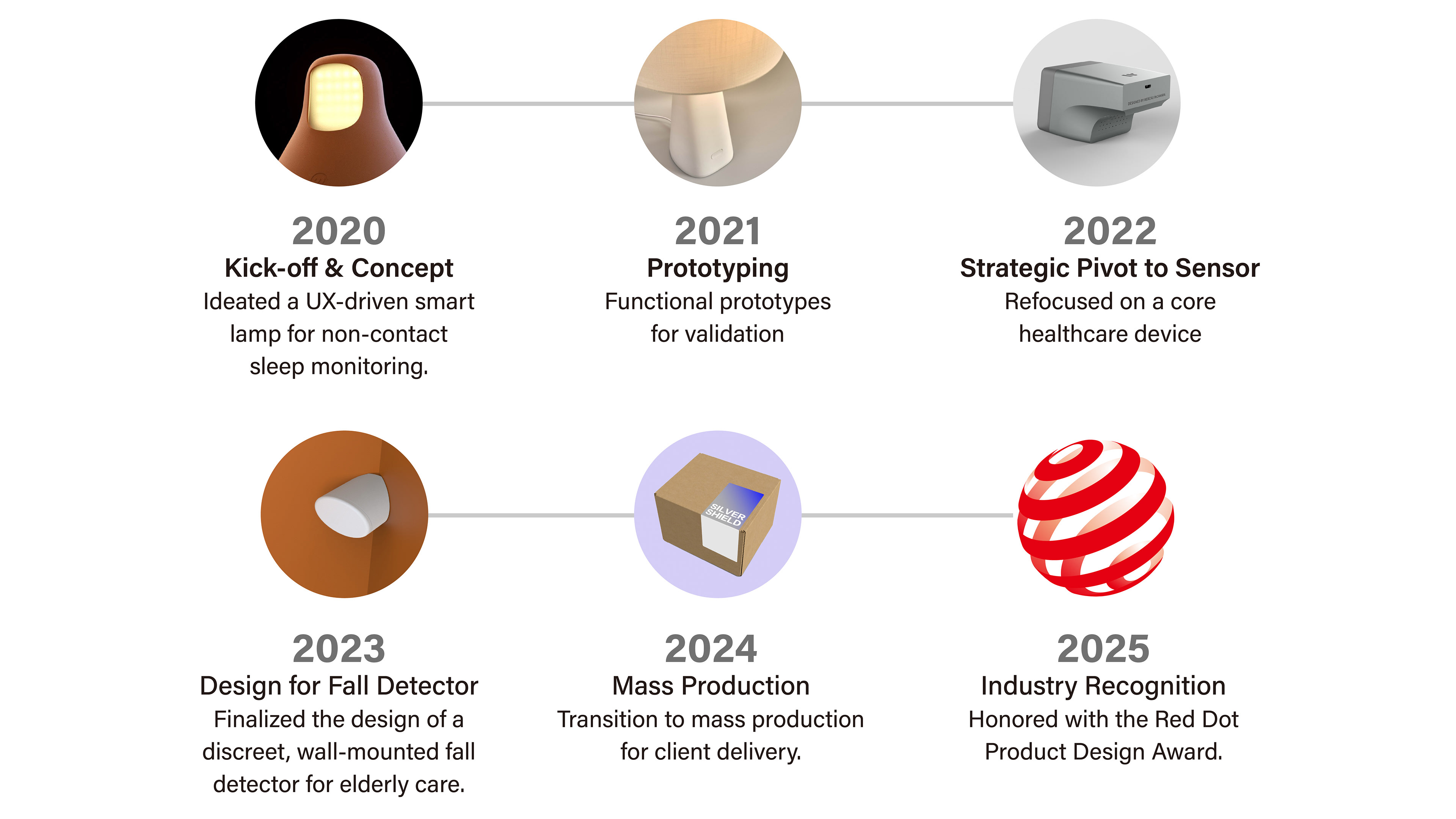
This project began not with a product, but with a powerful premise and a fundamental design question. We possessed a strong background in radio frequency technology and saw the potential for non-contact, wireless sensing of human vitals. But what physical form should this invisible technology take to be welcomed into the most intimate of spaces—the bedroom?
My central design challenge was to create a product that felt approachable and trustworthy, an object people would feel comfortable being accompanied by for long periods. The answer was found not in the world of medical devices, but in the quiet archetypes of the home. I chose the form of an ambient night light—perhaps the only object we naturally and unconsciously keep at our bedside for years. This familiar form factor provided the perfect, non-intrusive vessel for our initial application: seamless sleep monitoring.

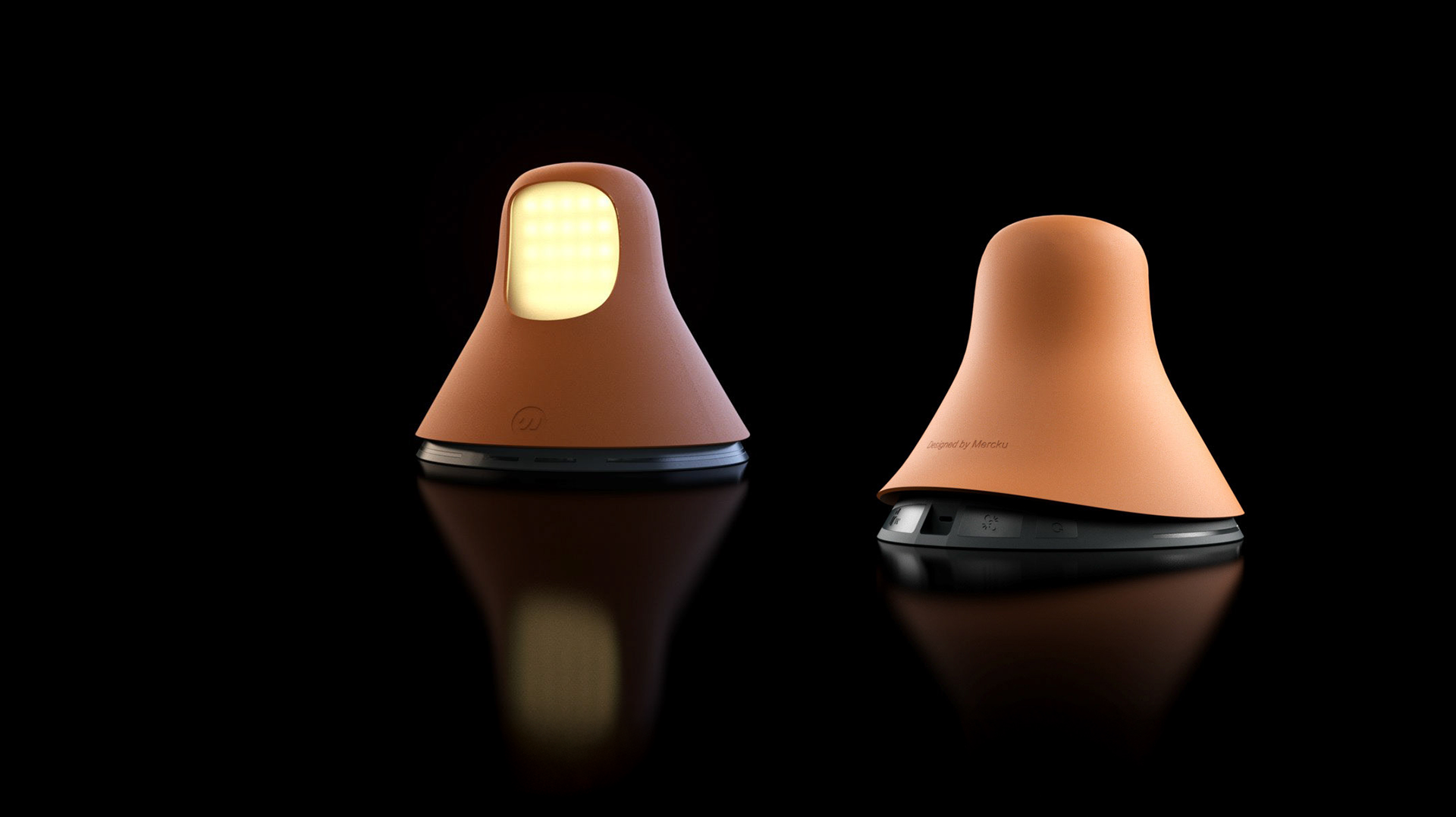
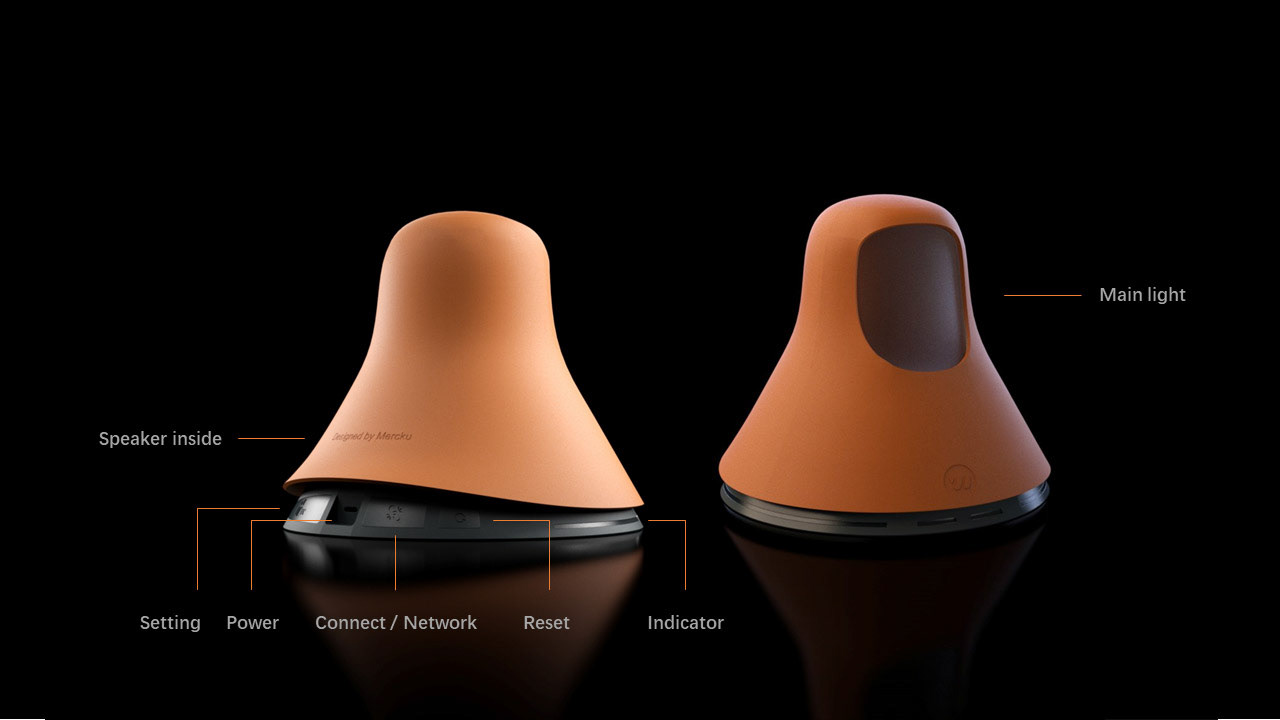
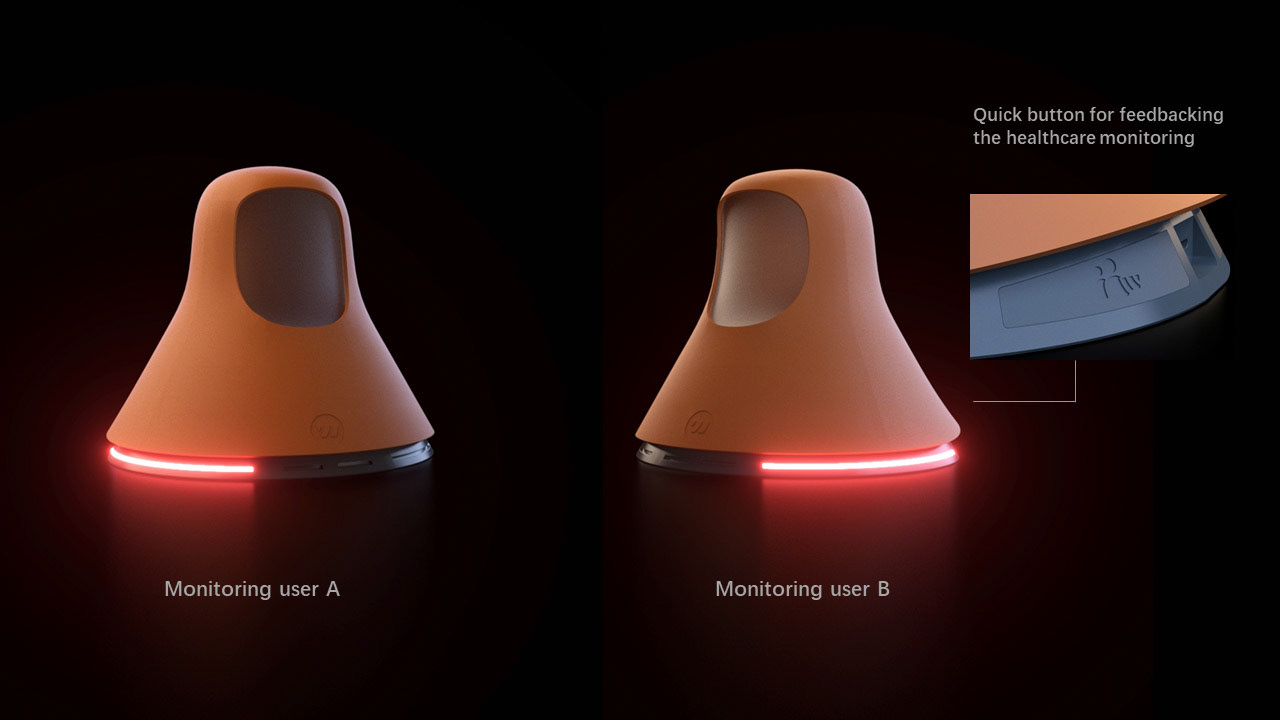
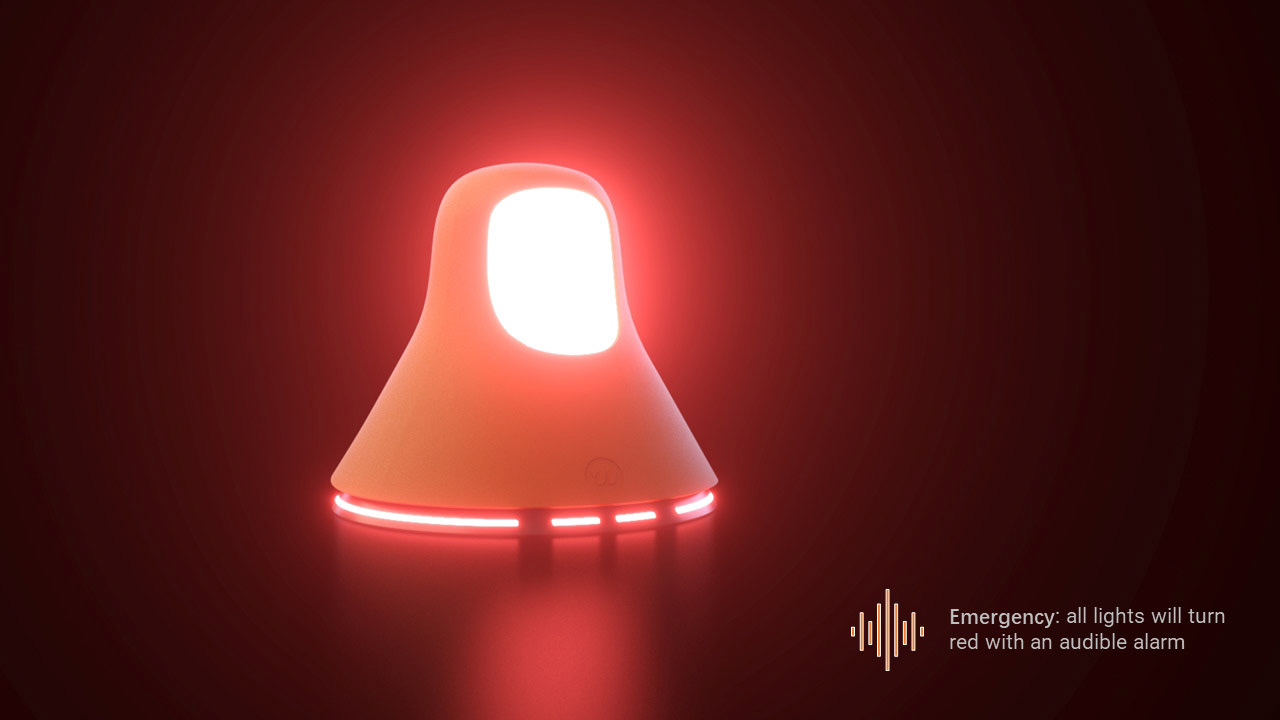
My design philosophy for the ambient lamp was rooted in creating a sense of security and timelessness. The central question was: what kind of object would a person trust at their bedside for a decade?
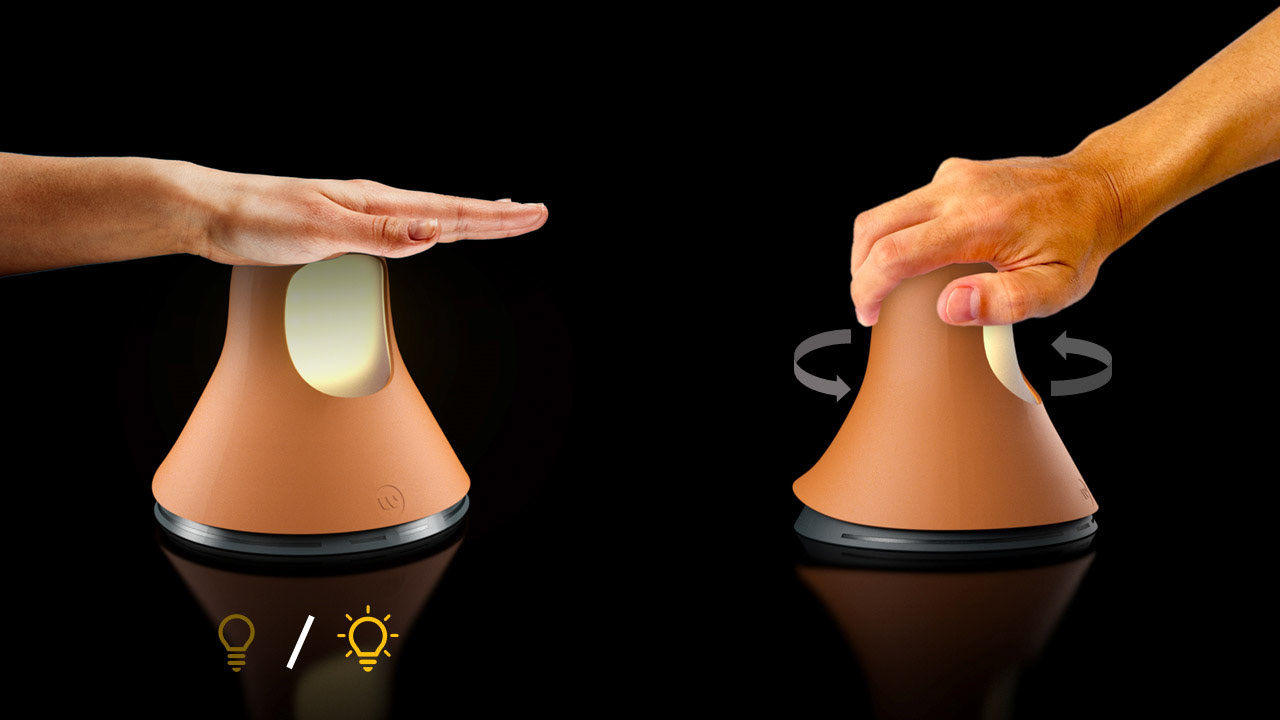
The answer was a form that is intentionally non-technical—soft, monolithic, and approachable. Its purpose is to have a calm, non-intrusive presence, providing comfort rather than announcing its technological capabilities. The interaction was designed with the same philosophy in mind, prioritizing intuitive 'blind operation'. Simple, tactile gestures—like a gentle press or a turn—allow for effortless control, even when the user is half-asleep, ensuring the experience is always seamless and reassuring.

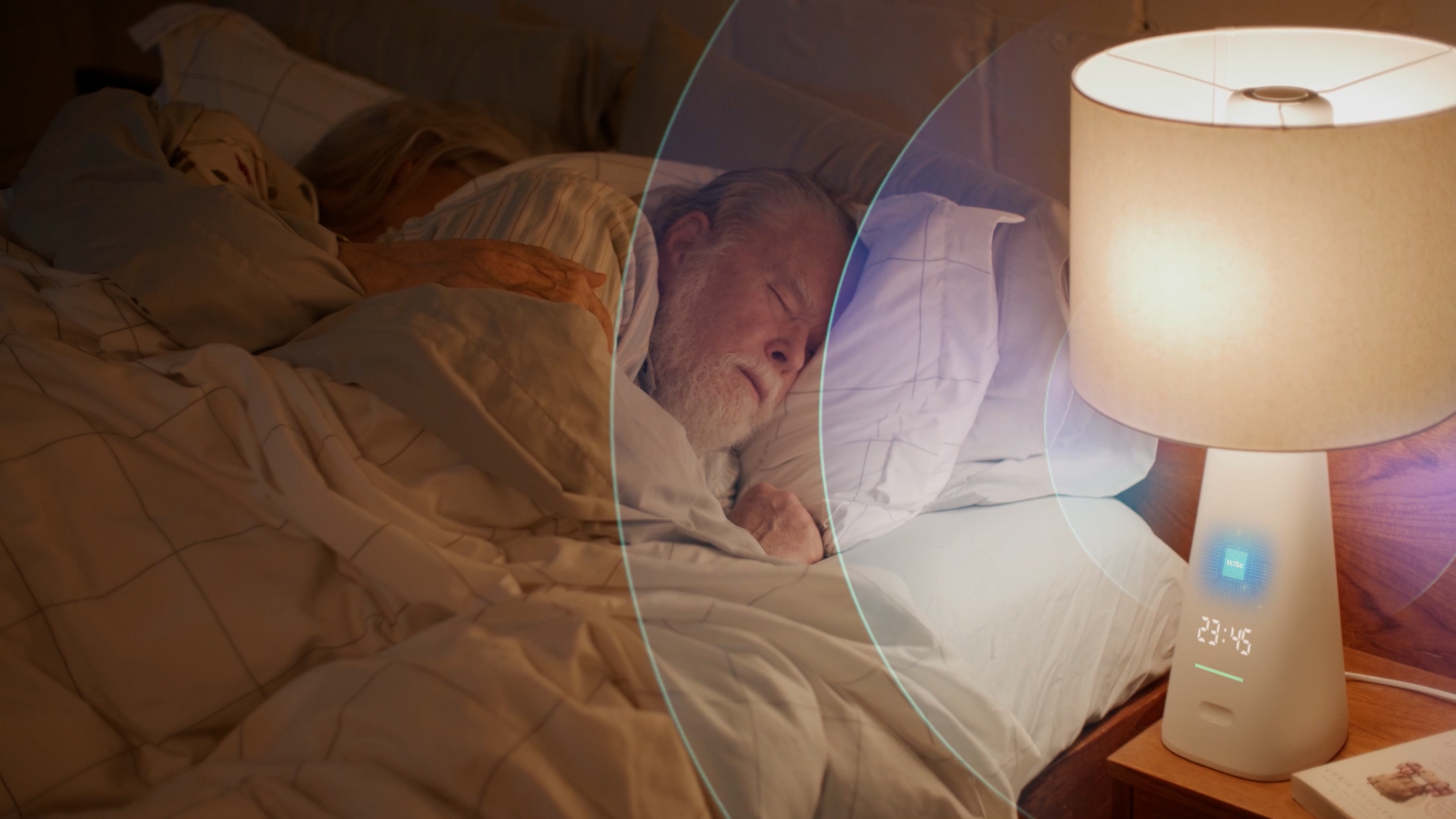
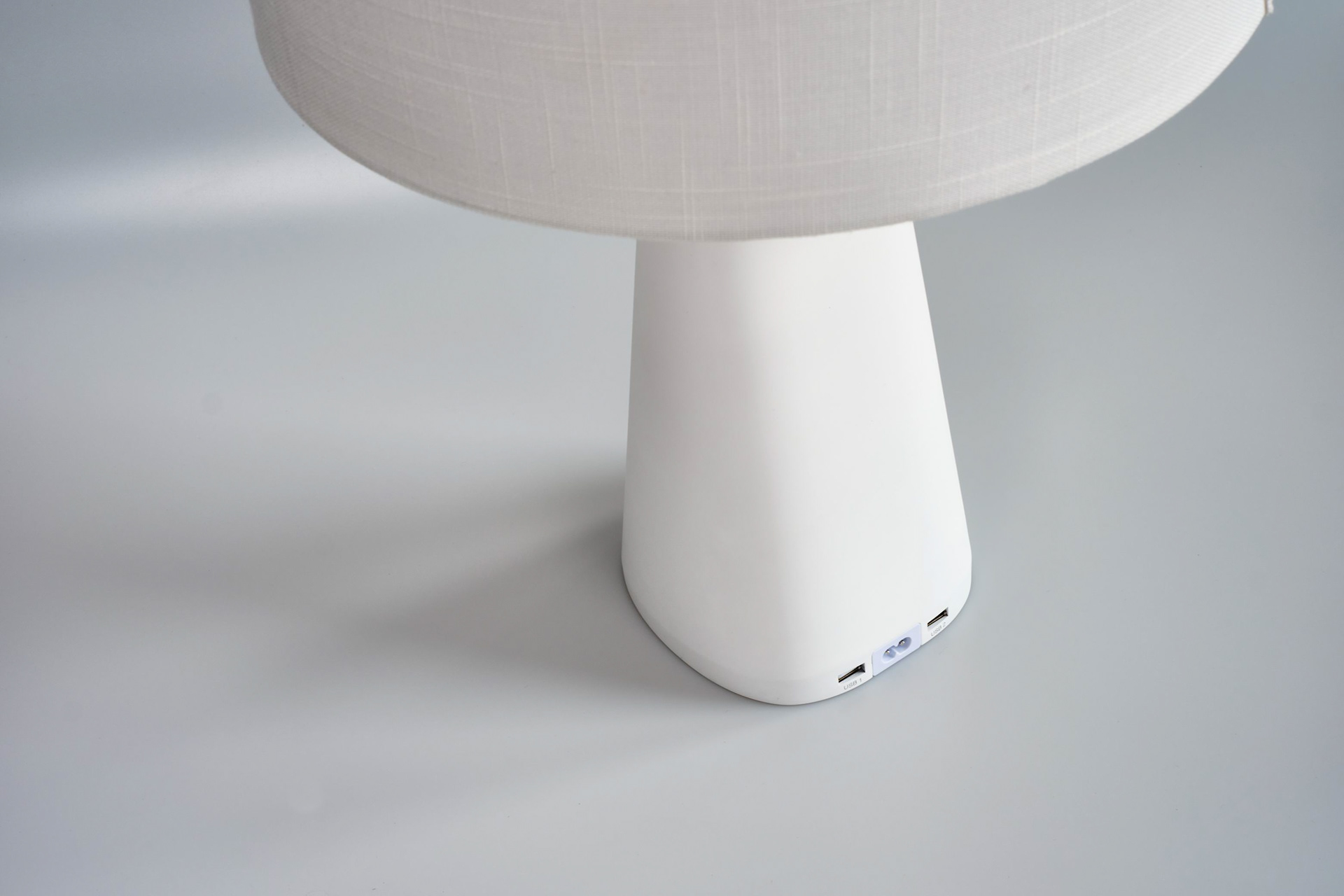
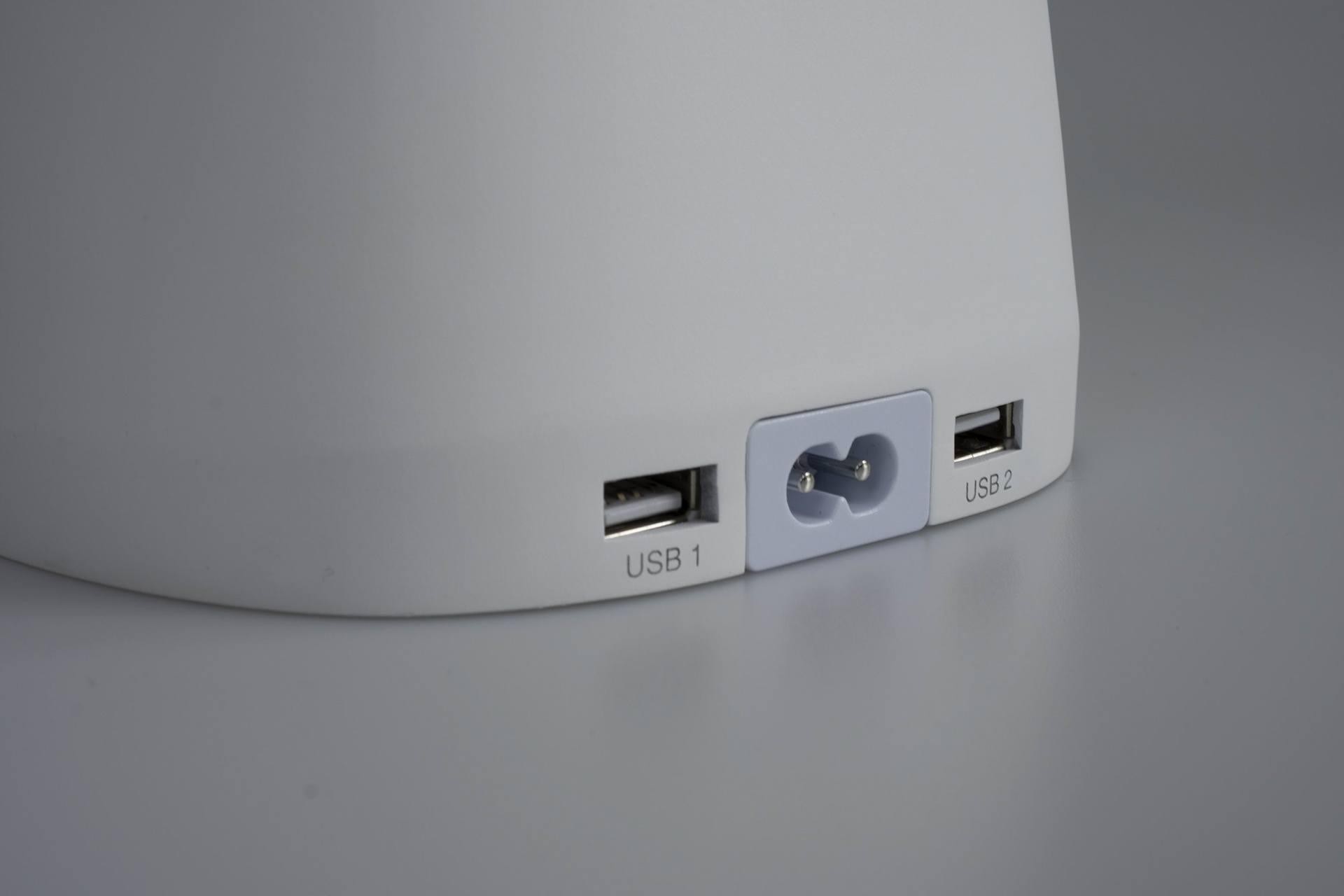
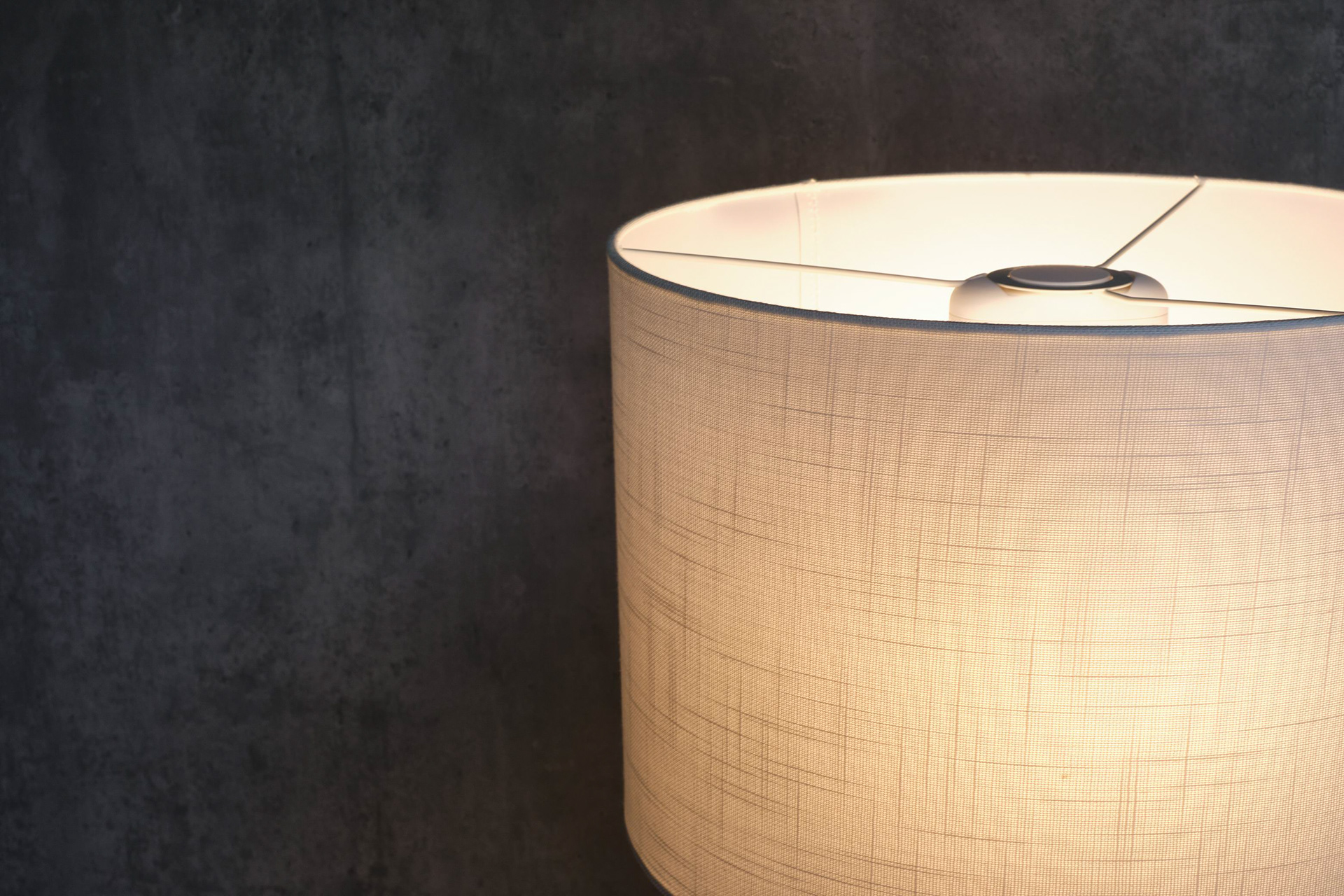
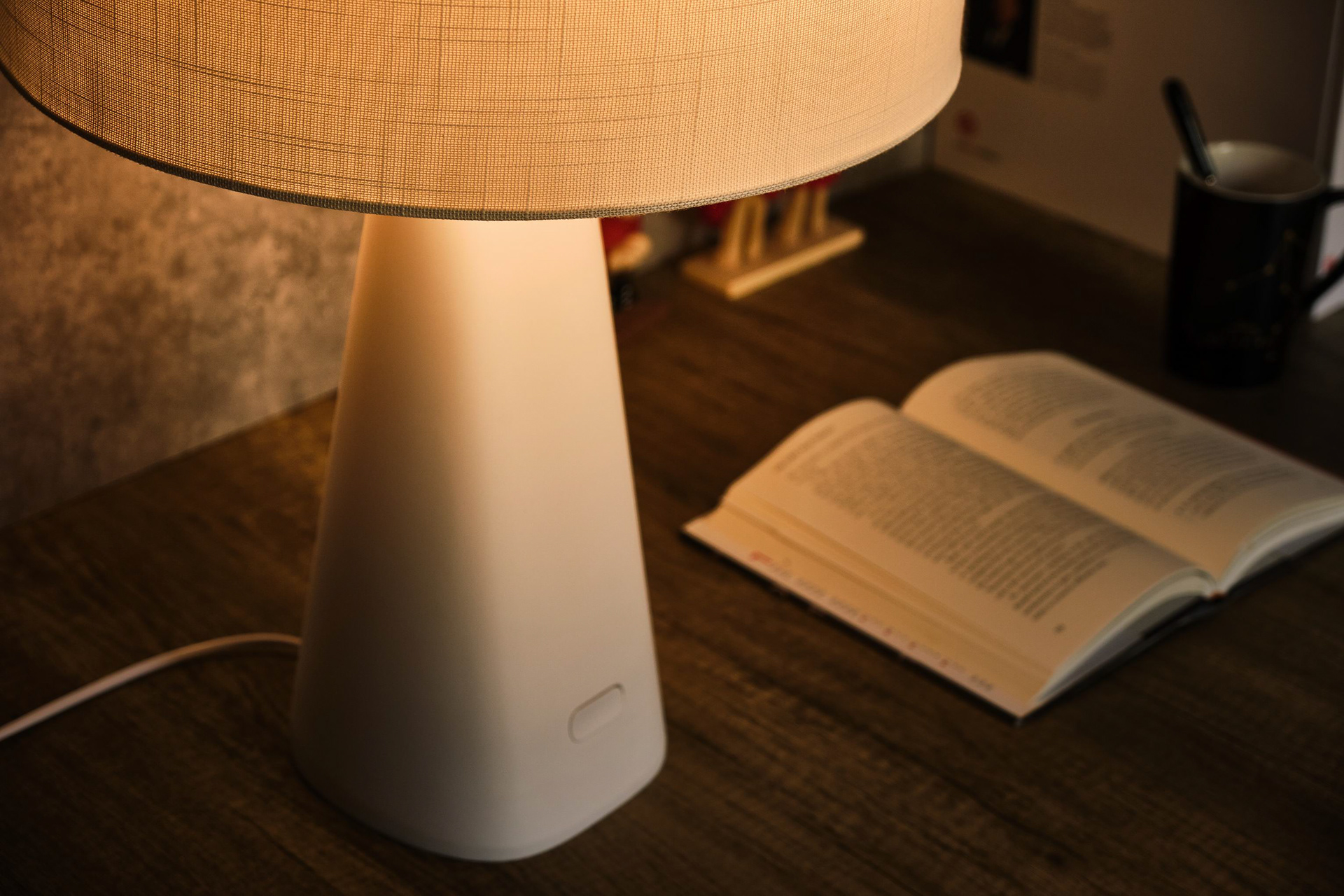
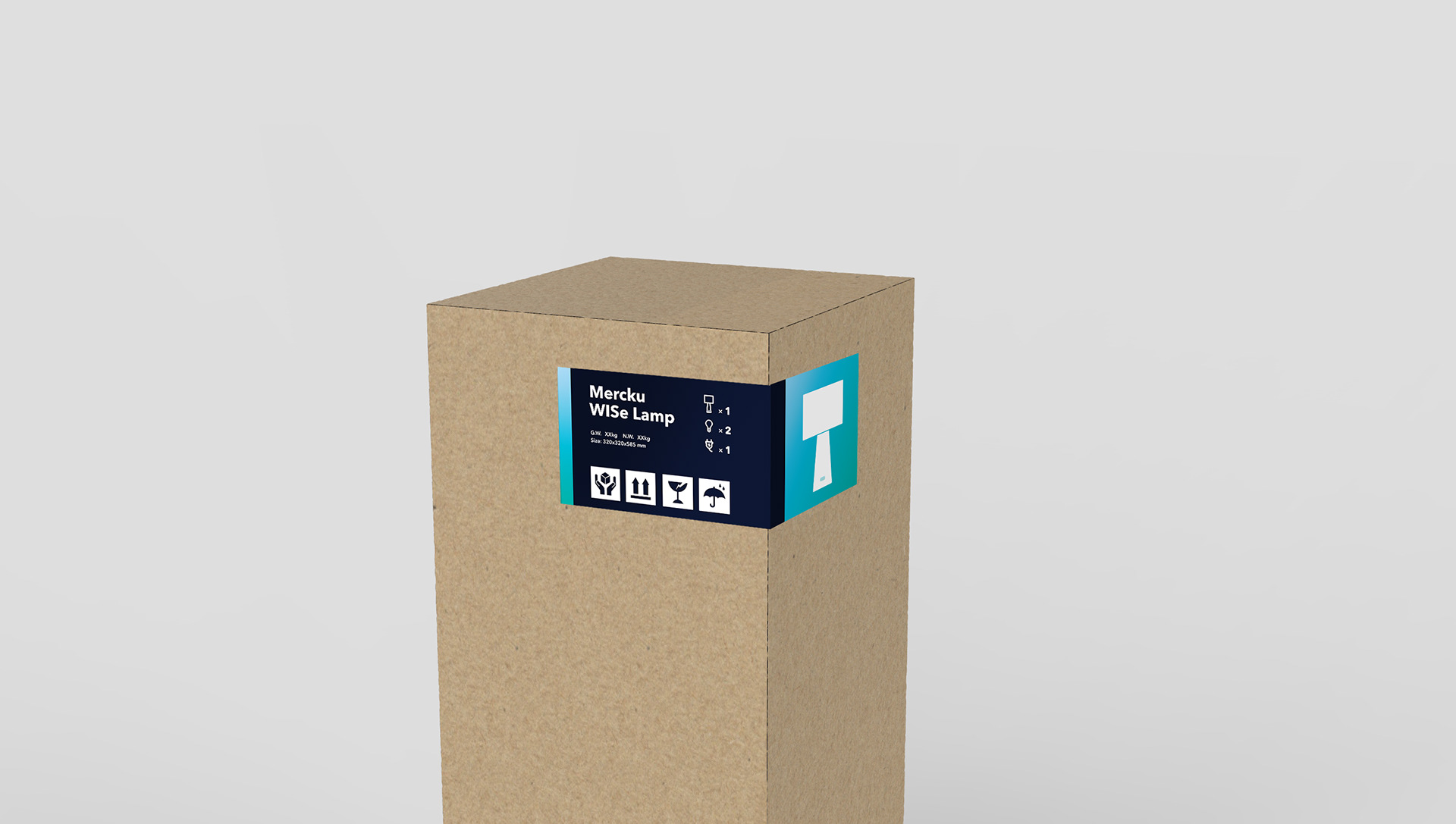
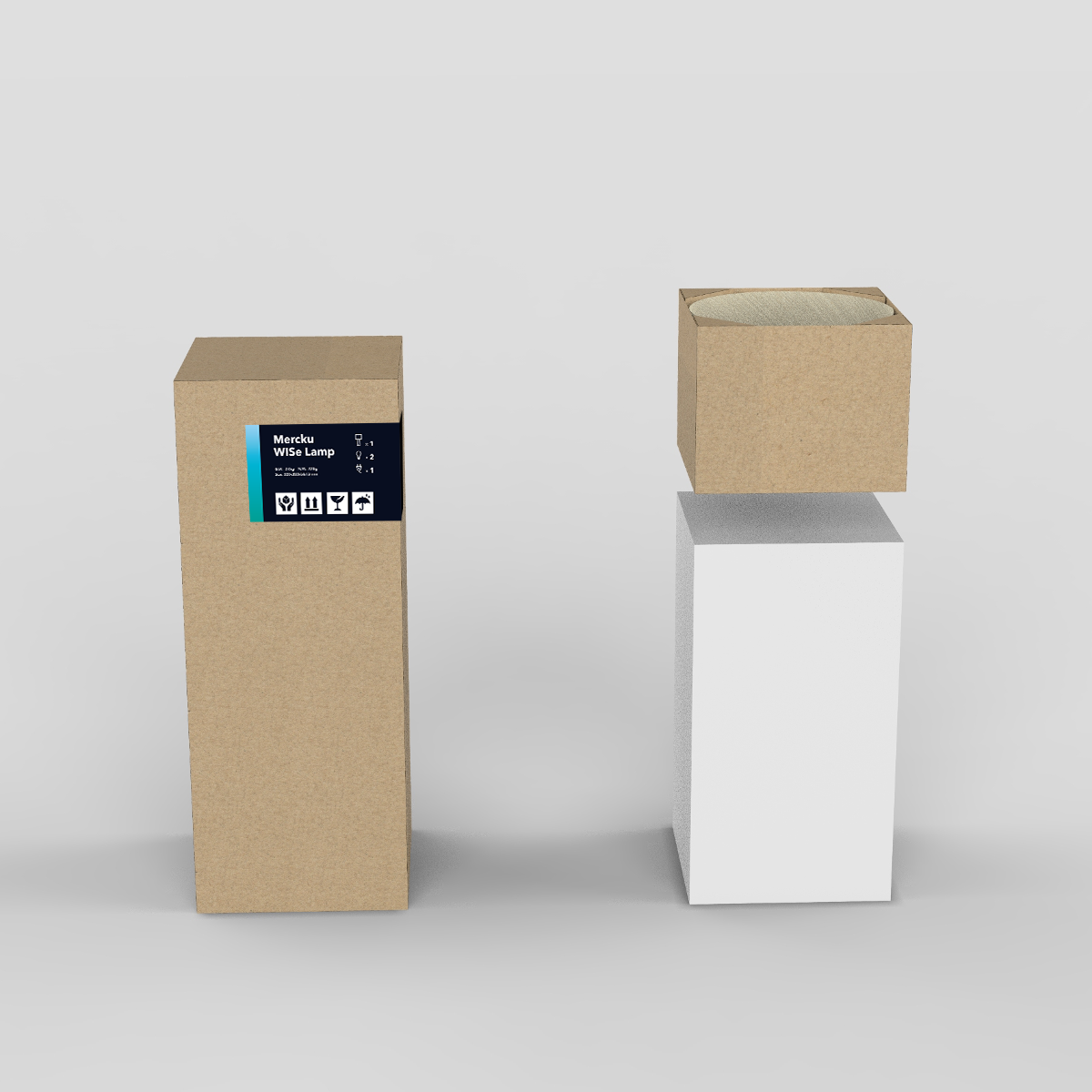
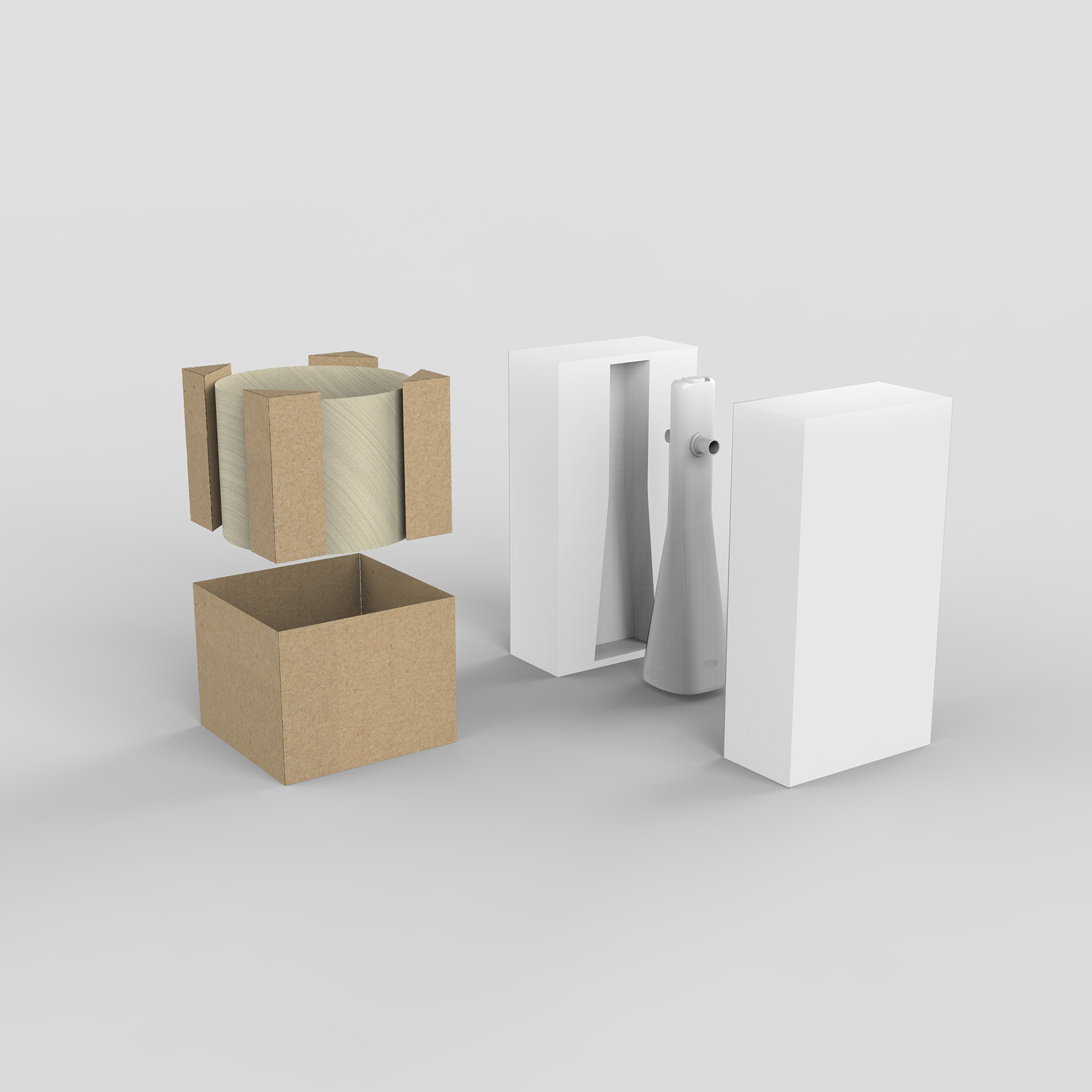
To accelerate our learning process, the primary goal for 2021 was to get a functional prototype into the hands of users for market validation. We adopted a pragmatic approach, embedding our core sensing module into a familiar North American lamp typology, leveraging existing electronics to speed up development.
A key design exploration during this phase was the integration of a "hidden" LCD display for the clock. The vision was to create a magical effect where the digits would appear to glow through the solid shell of the lamp base. While conceptually compelling, achieving this seamless light-through effect with rapid prototyping materials and existing structures proved to be a significant structural and manufacturing challenge. This valuable learning directly informed our decision in the next phase to separate the core sensor from complex secondary functions, leading us toward a more focused, dedicated device.
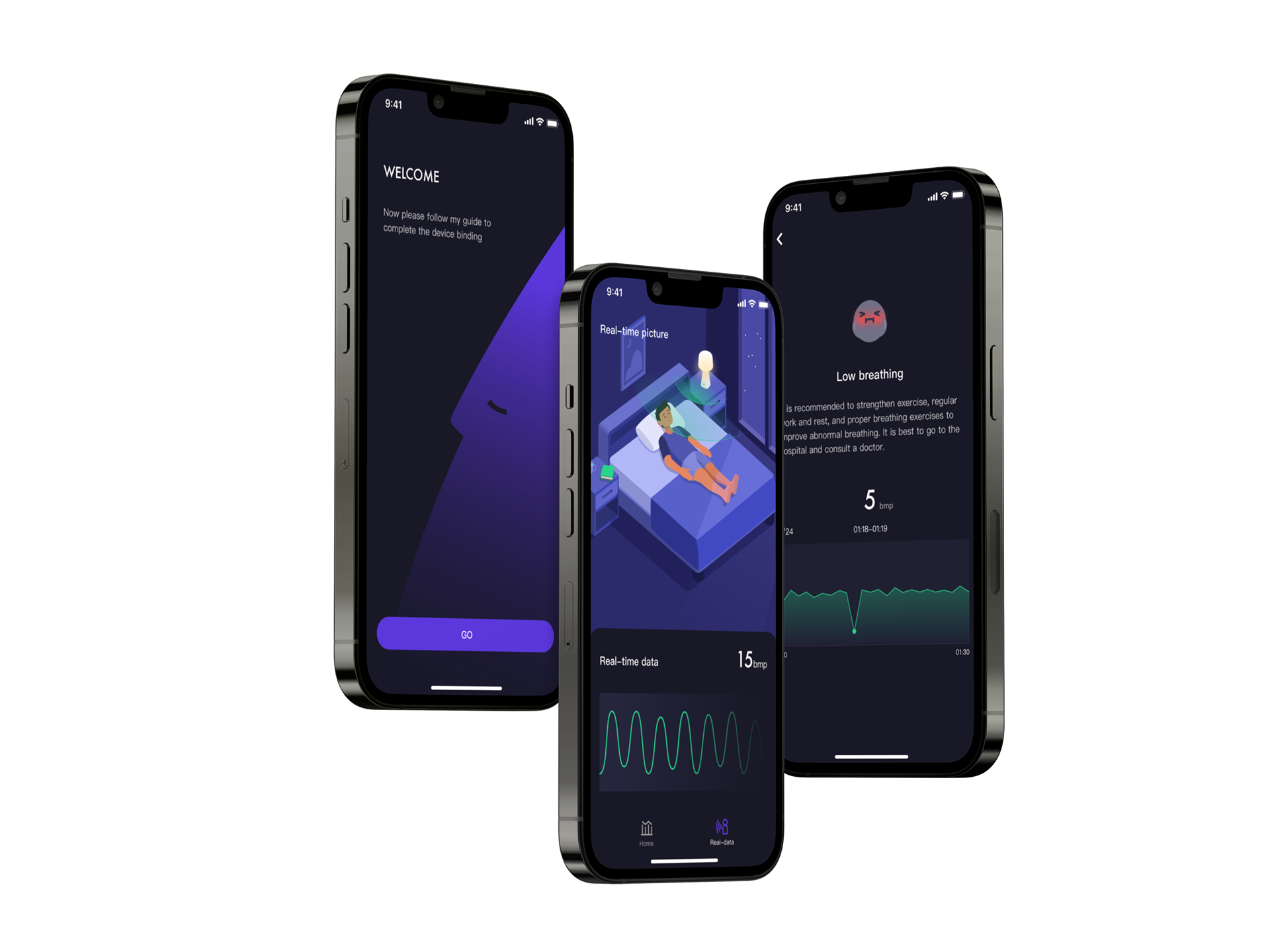
The Experience: Overcoming Key UX Challenges
The digital experience was designed to address two fundamental user challenges.
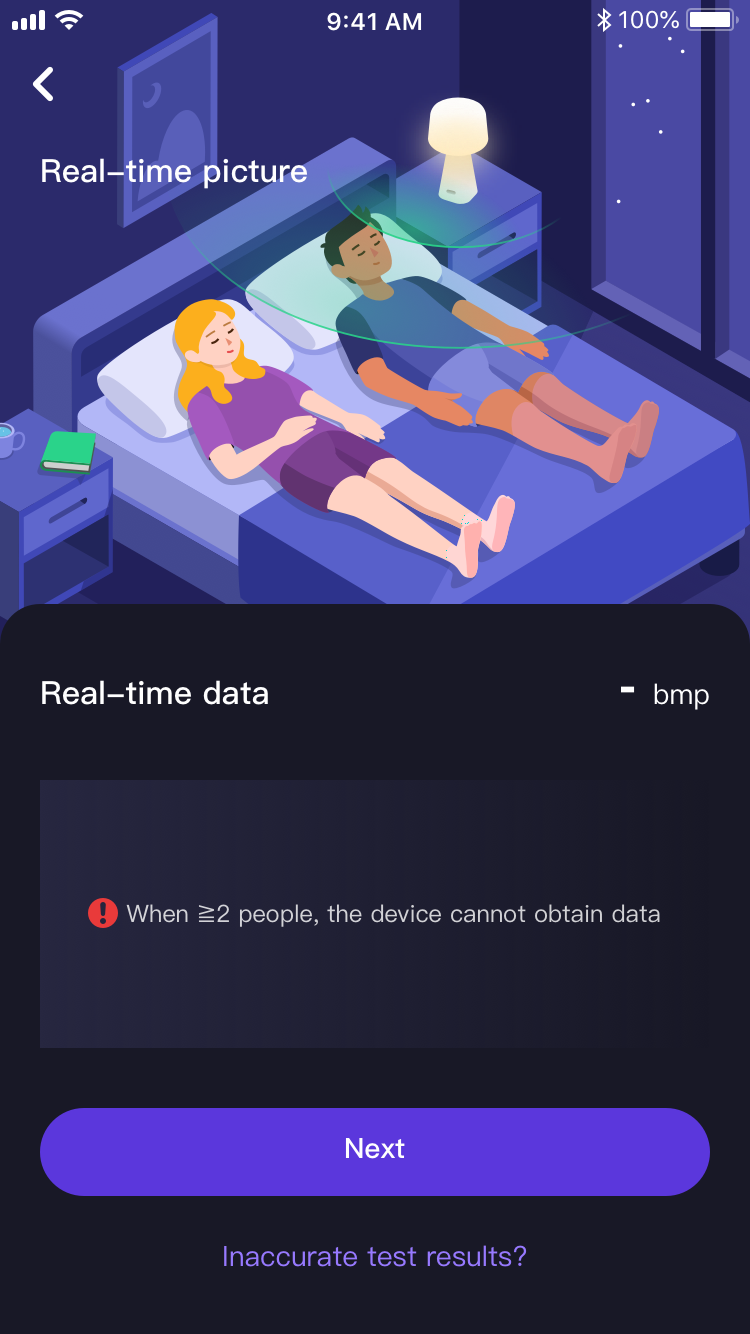
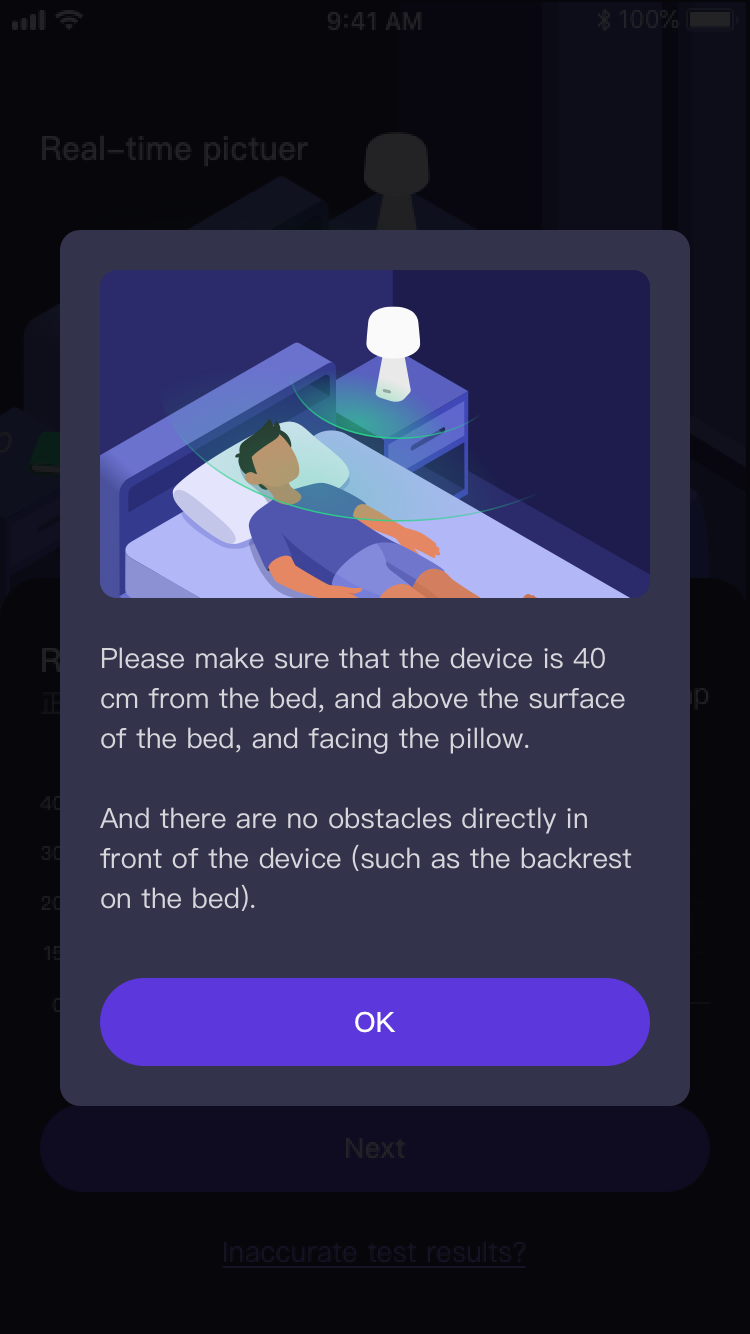
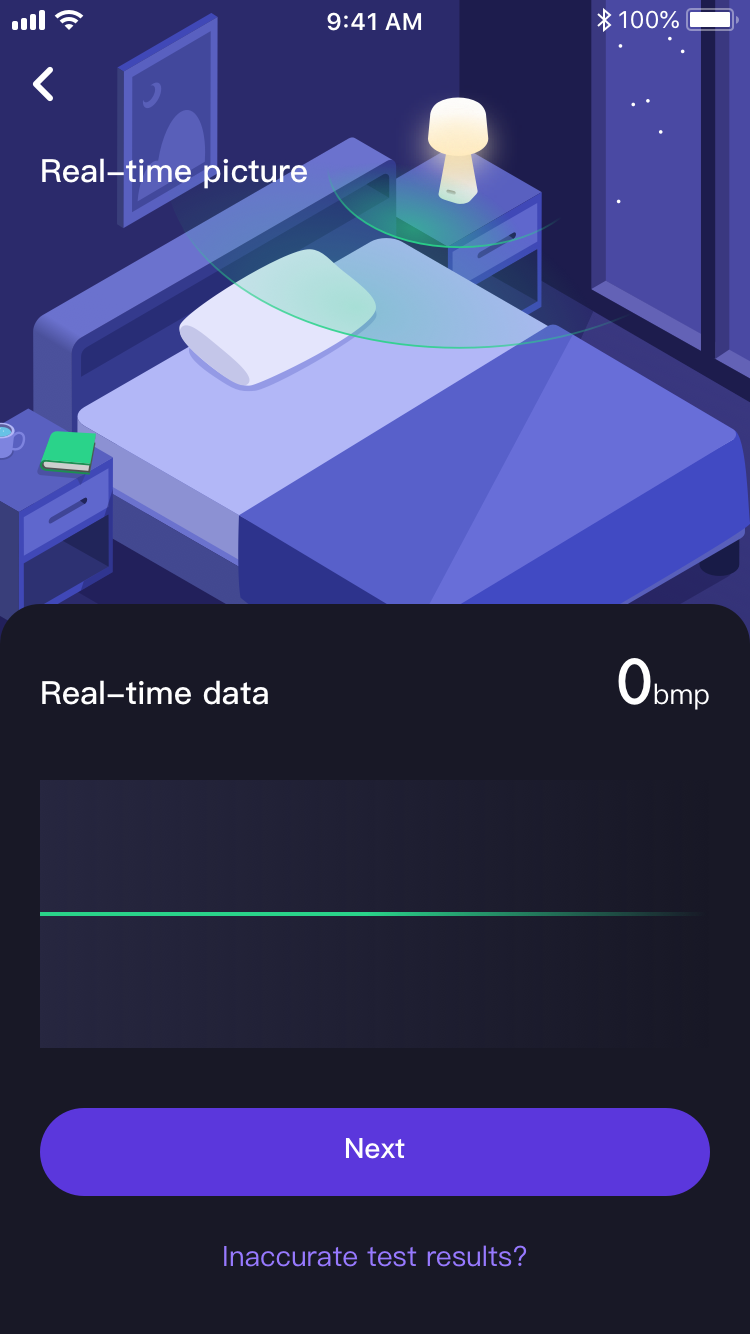
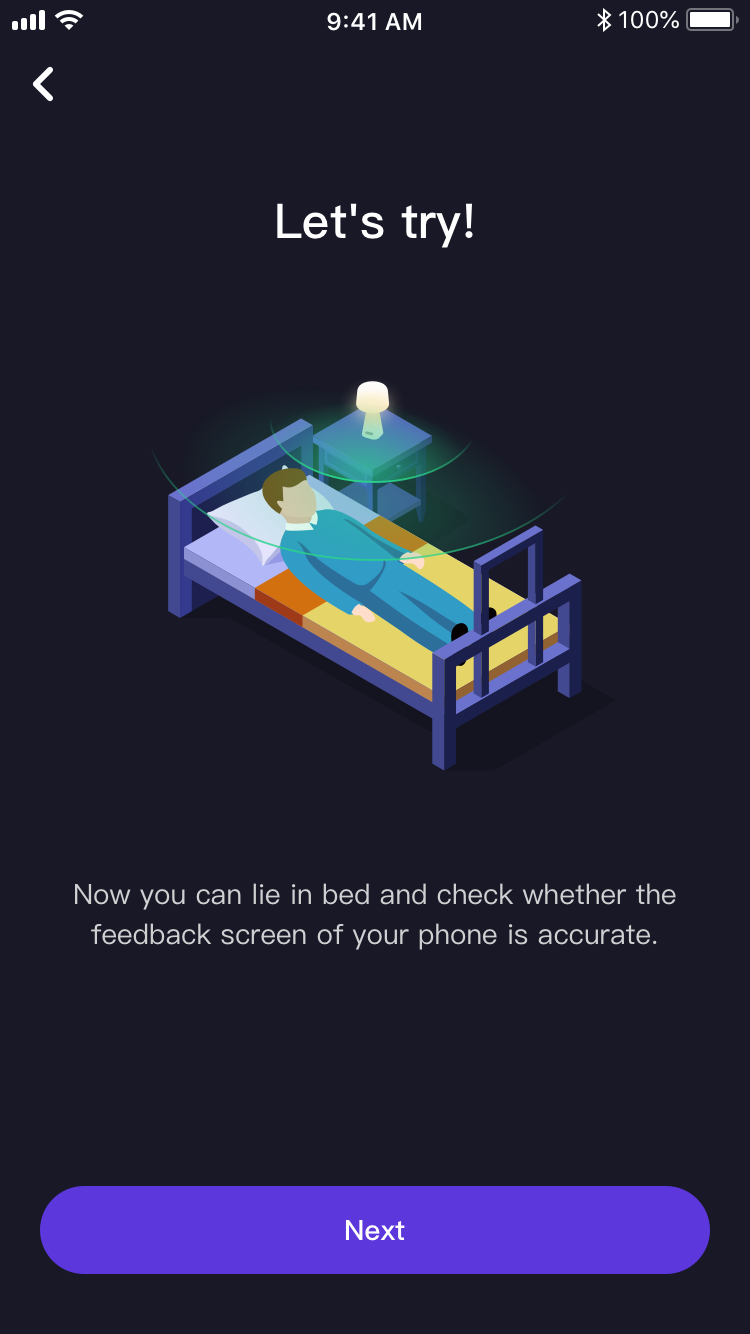
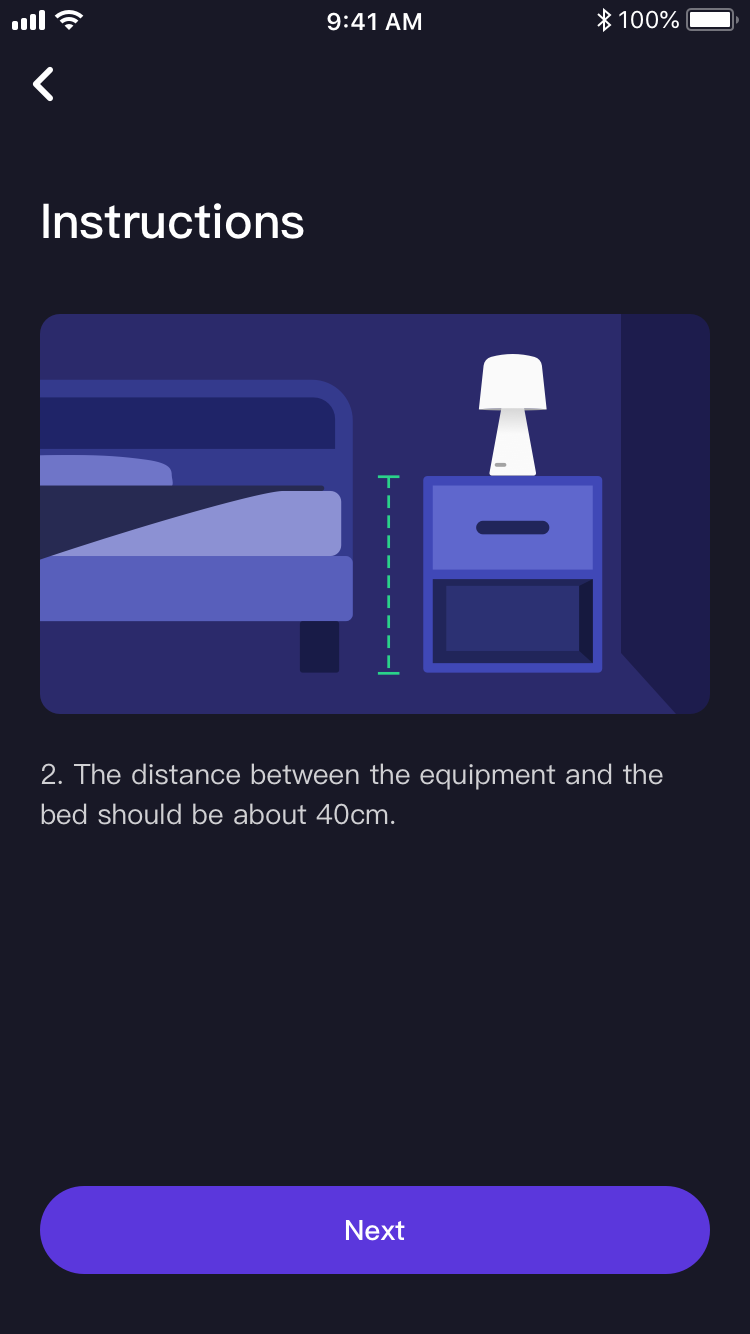
First, effortless onboarding. For a device with strict placement requirements, the key challenge was to guide users with minimal friction. We designed an intuitive setup process that made correct placement feel simple and reassuring.
Second, reducing user anxiety. As a health, not medical, product, it was crucial that the data felt supportive, not alarming. The UI was intentionally designed to be calm and encouraging, framing the sleep data as an insightful reference for well-being, rather than a clinical diagnosis. This approach ensured the technology empowered users without creating stress.
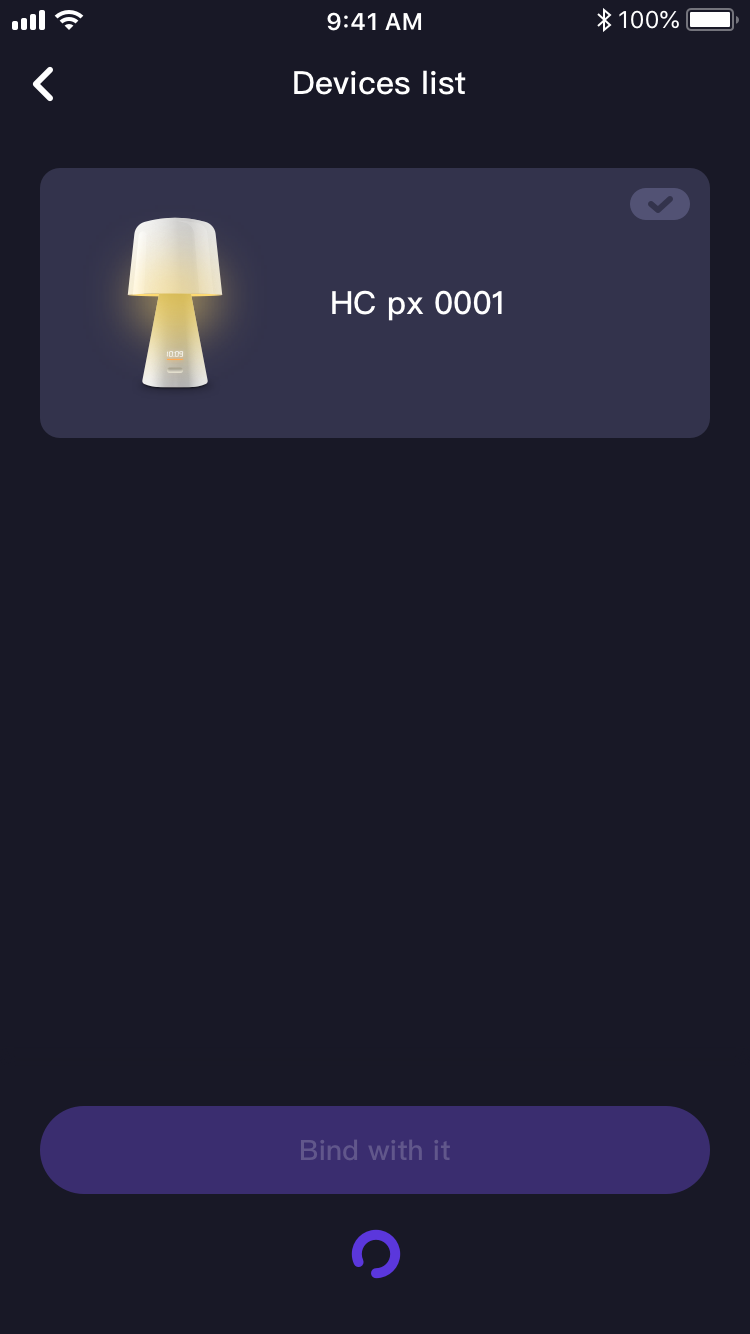
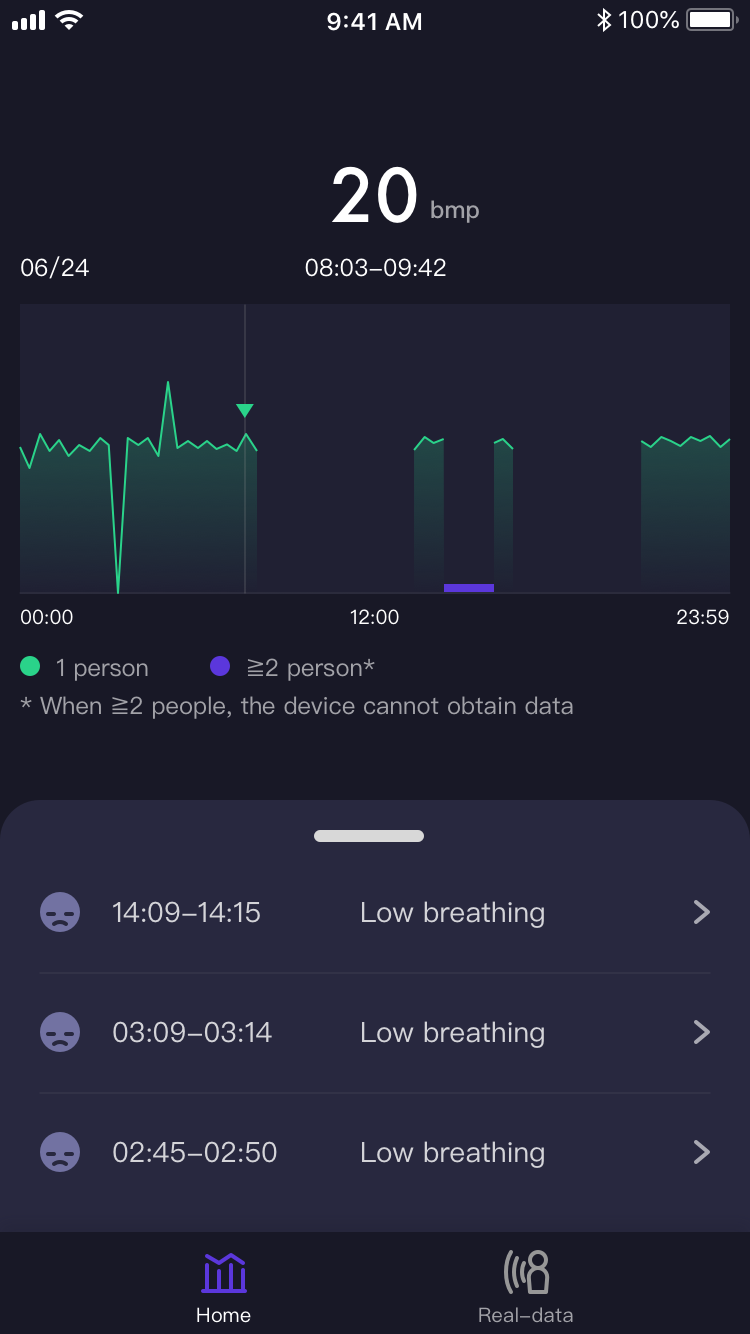
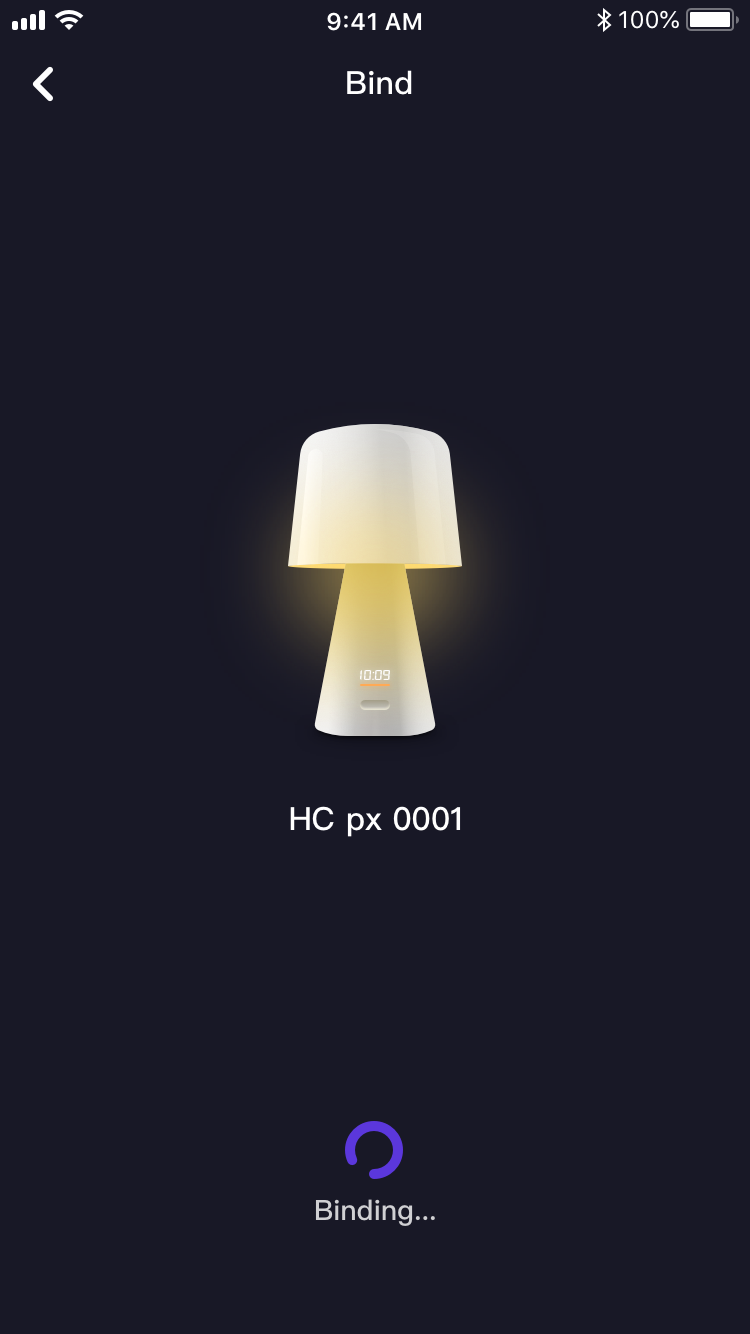
Design Reflection: A Spark of Creation
Looking back, I consider this one of the most successful UX projects of my career—not for its visual polish, but for the foundational, first-principles thinking it demanded. We were designing for a product category that didn't exist, facing fundamental interaction challenges with no precedent.
How do we guide a user to correctly place the device—a strict technical constraint—without a steep learning curve? More importantly, how do we manage the user's emotional state, ensuring a false alarm can be quickly and calmly dismissed without eroding trust in the system?
This was a project of pure interaction design, a thought experiment in building trust between a user and an invisible, sensing technology. Years later, I still reflect on the creative spark of that project—the challenge of creating clarity and comfort from scratch.

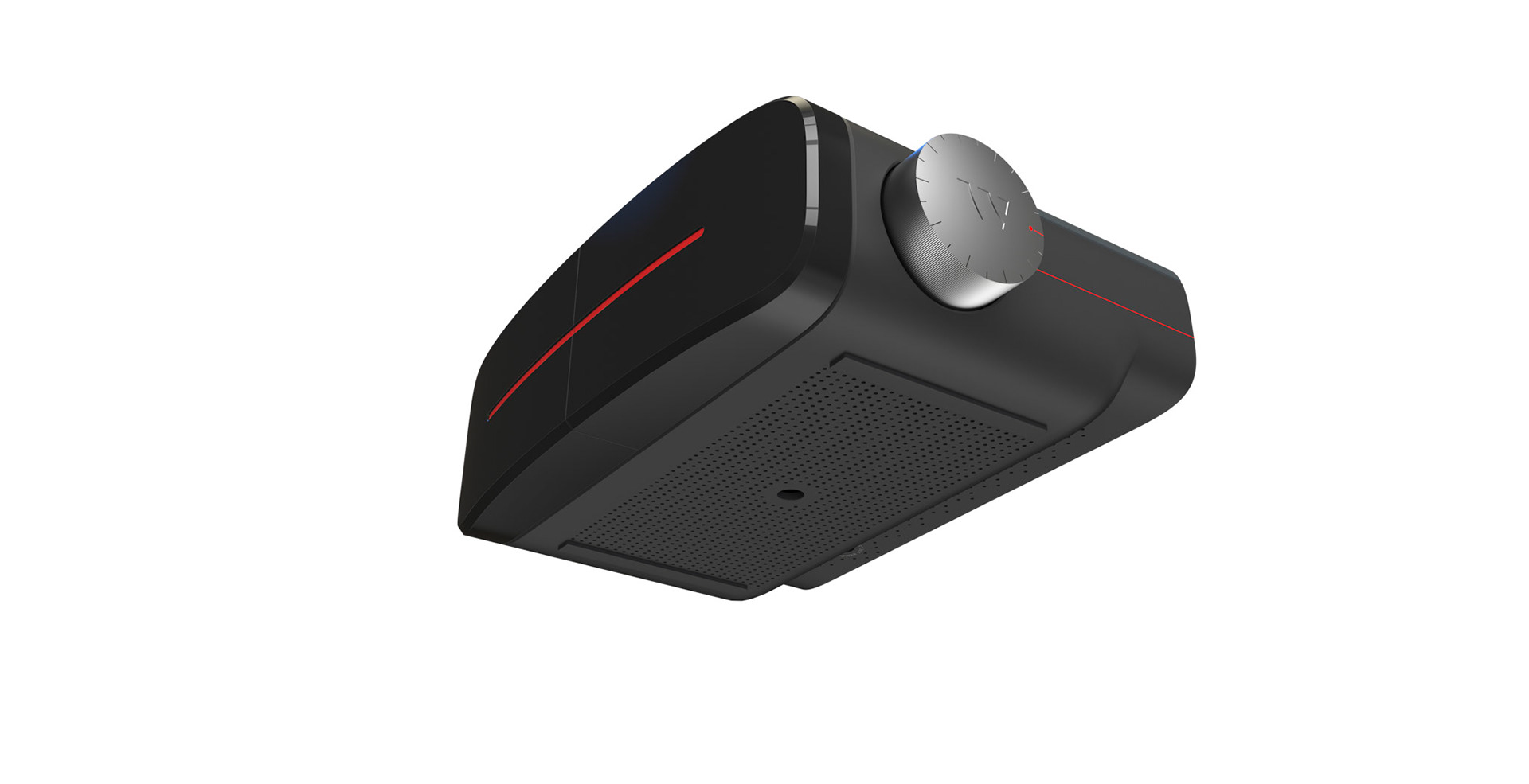
Gen-1 Health Sensor Prototype
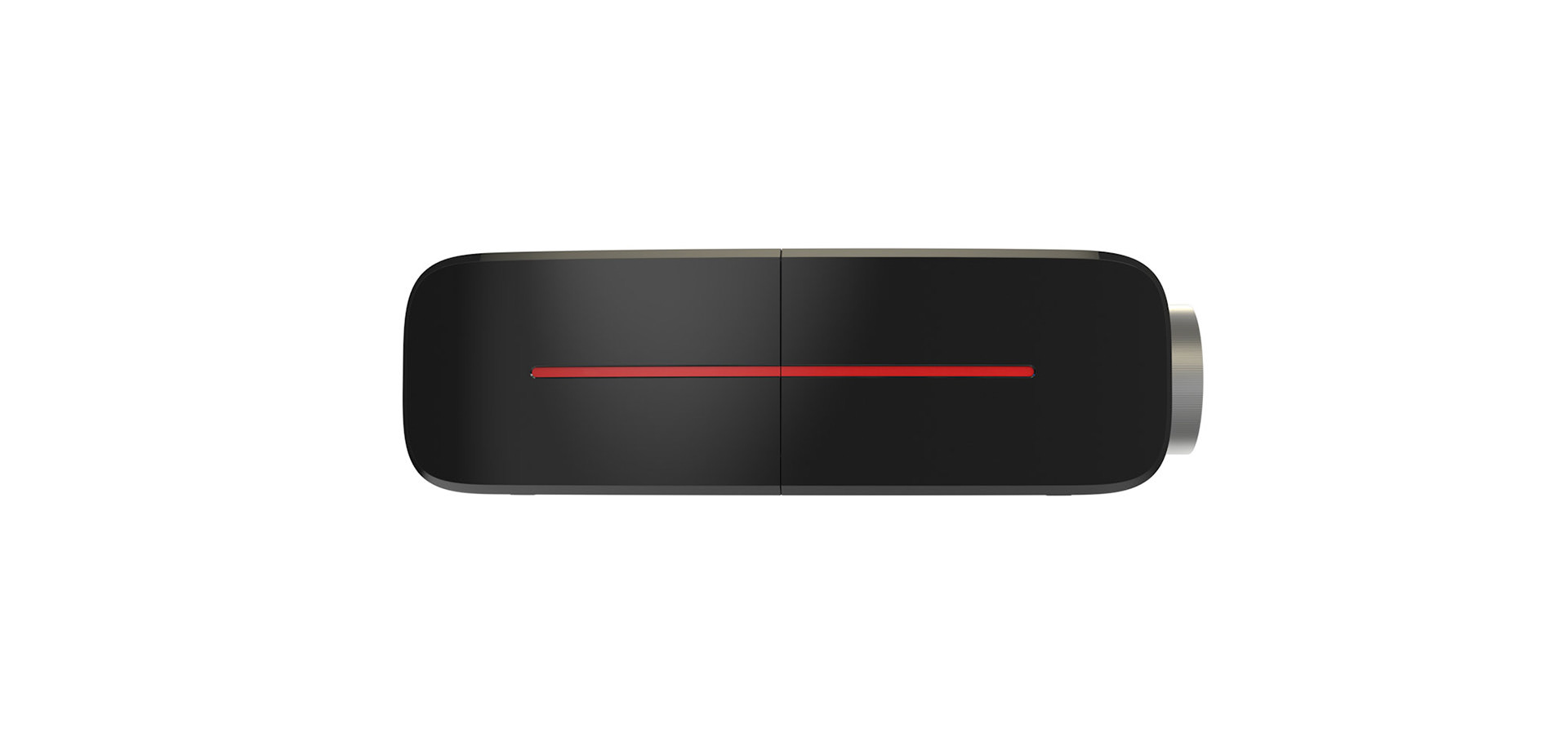
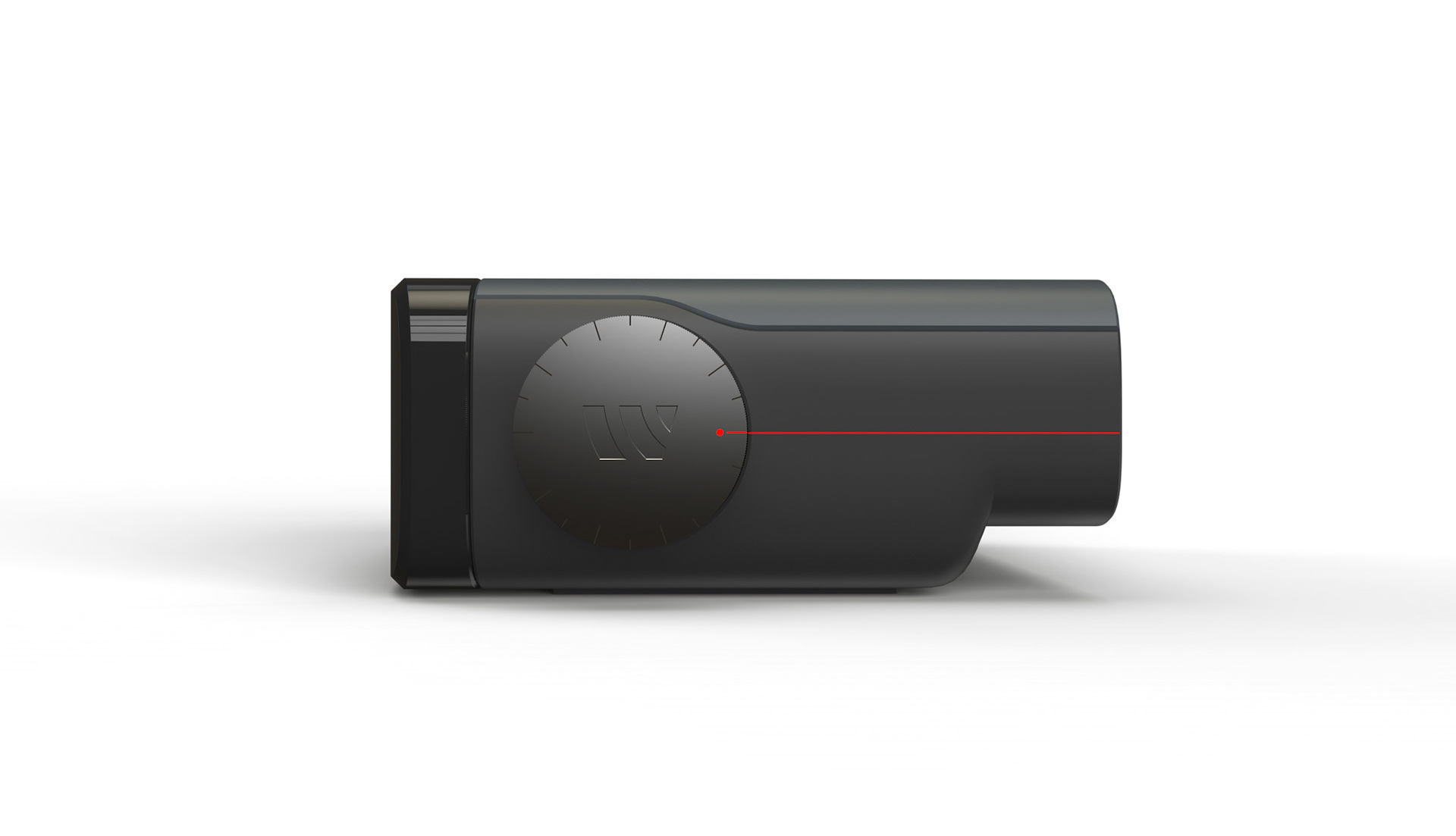
A Wi-Fi-based respiration monitoring device designed for R&D purposes. The enlarged form factor accommodates antenna arrays, while the lateral adjustment knob fine-tunes sensor-target distance for optimal signal accuracy.
Gen-2 Health Sensor Prototype
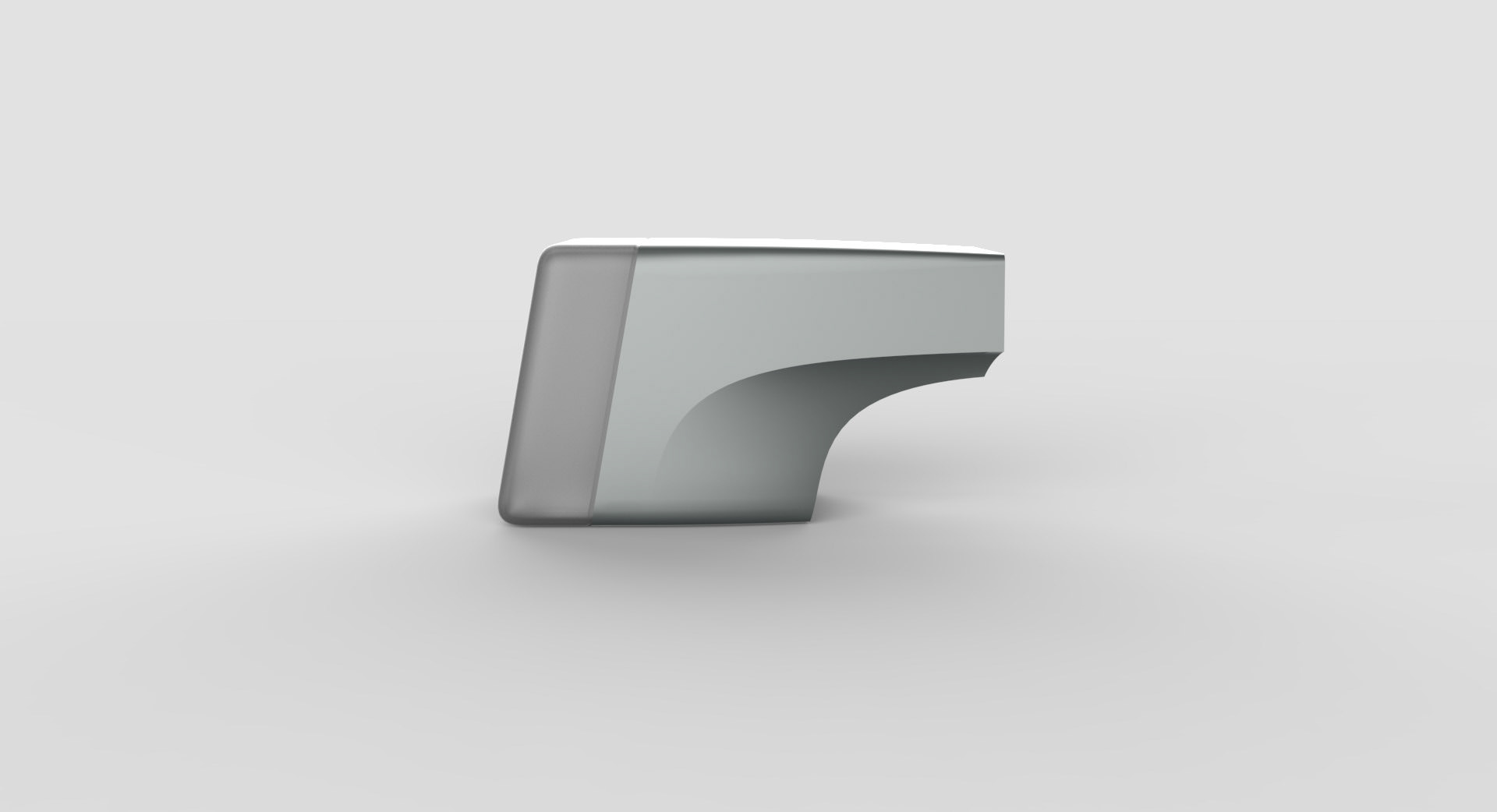
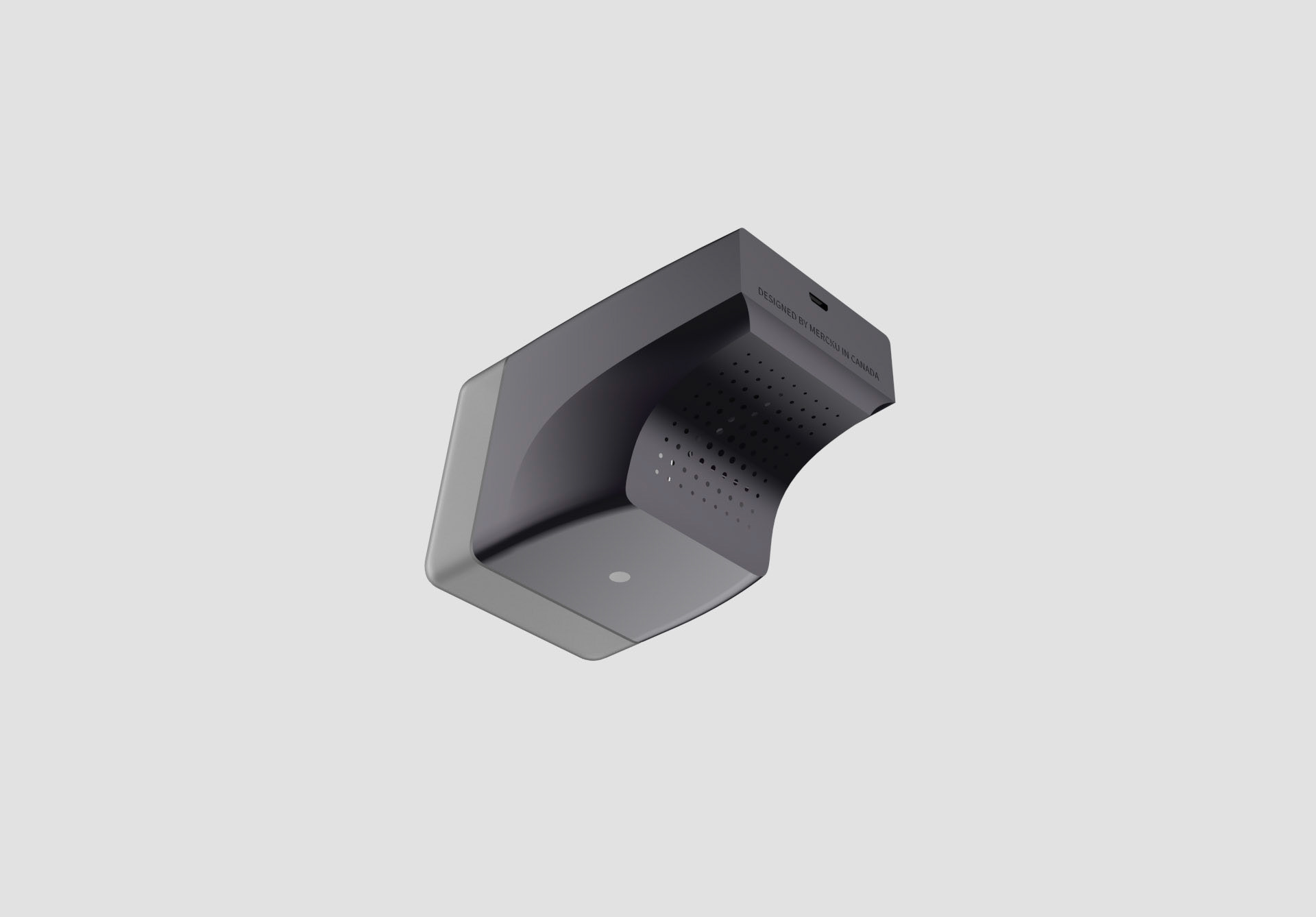
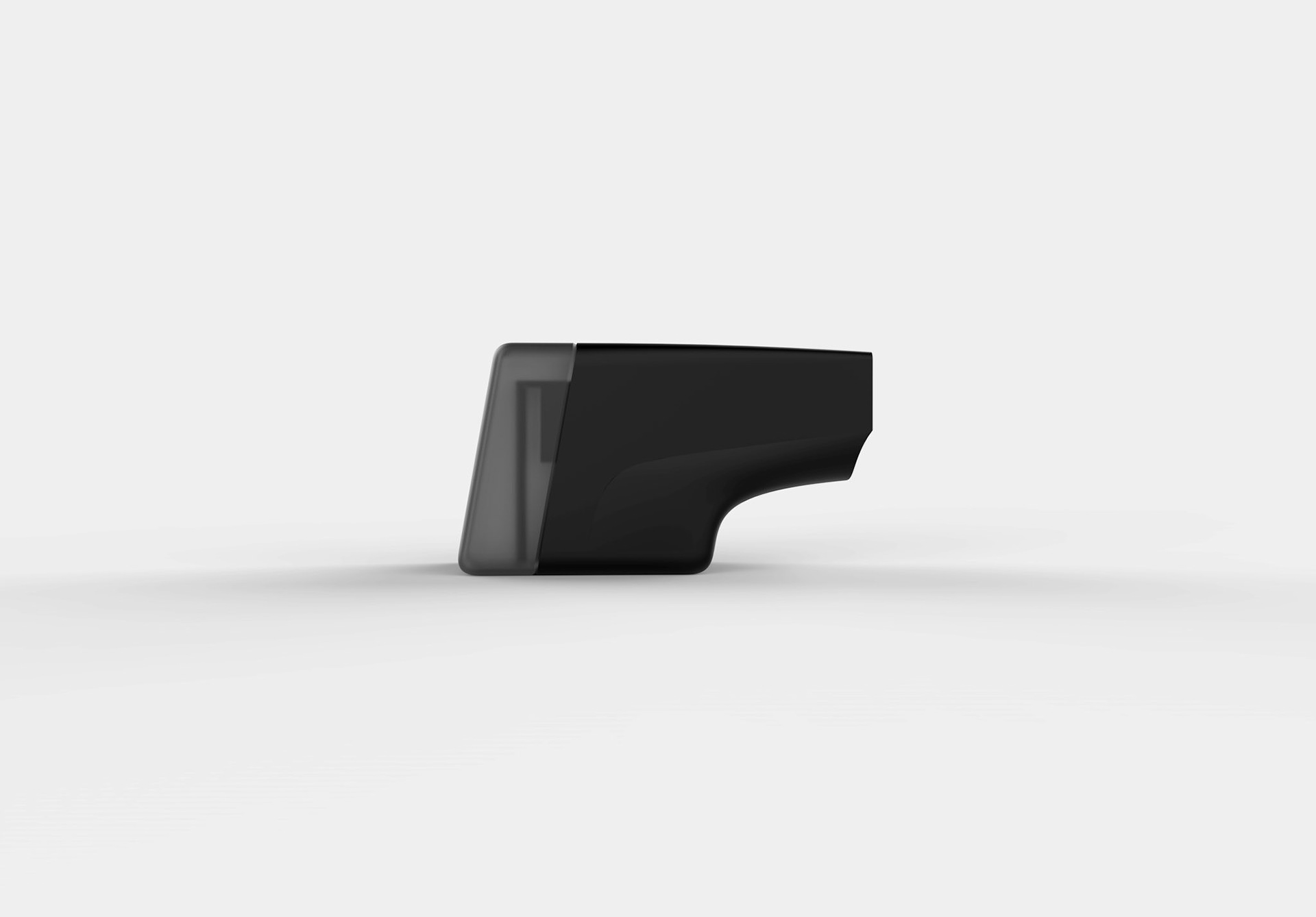
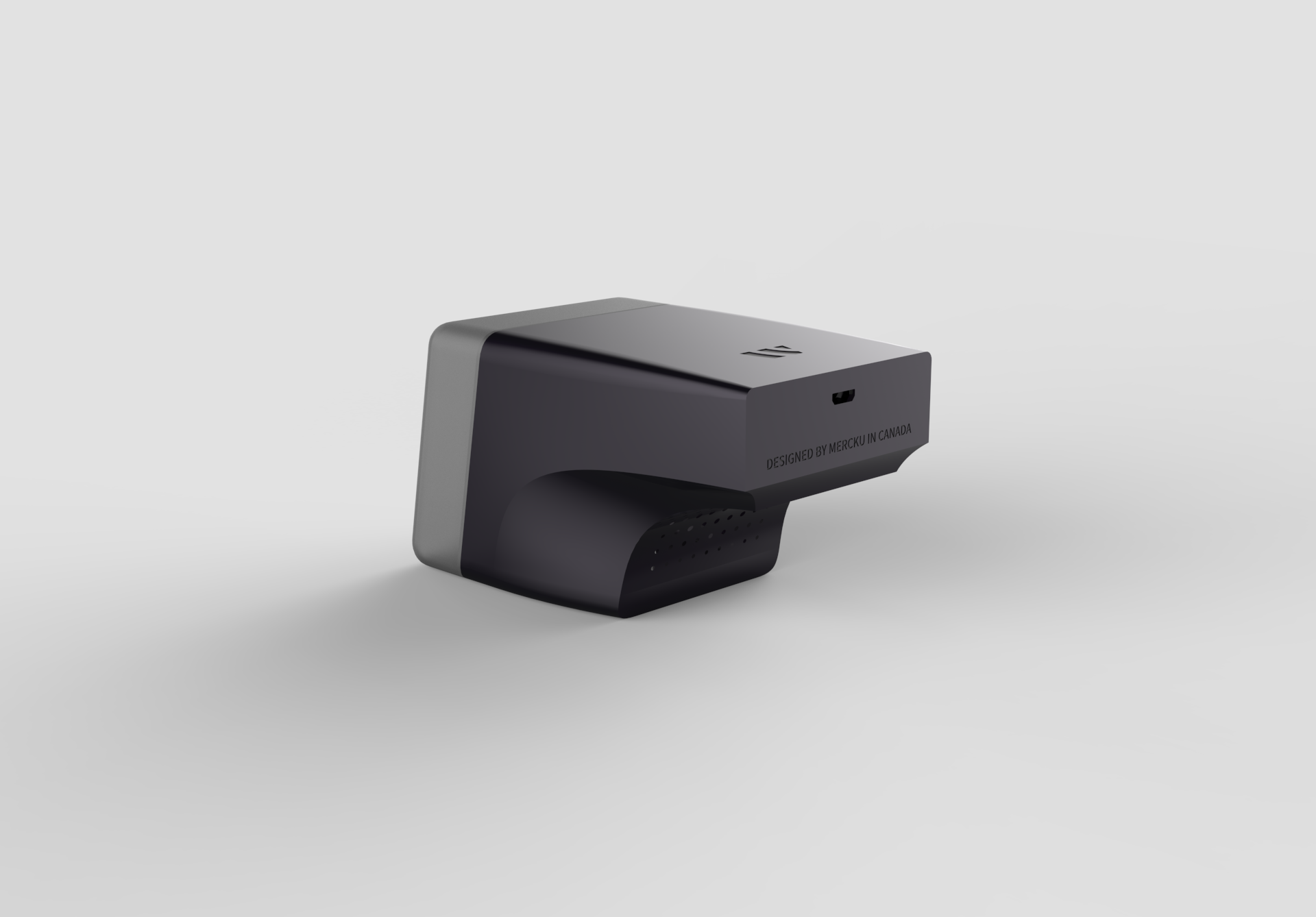
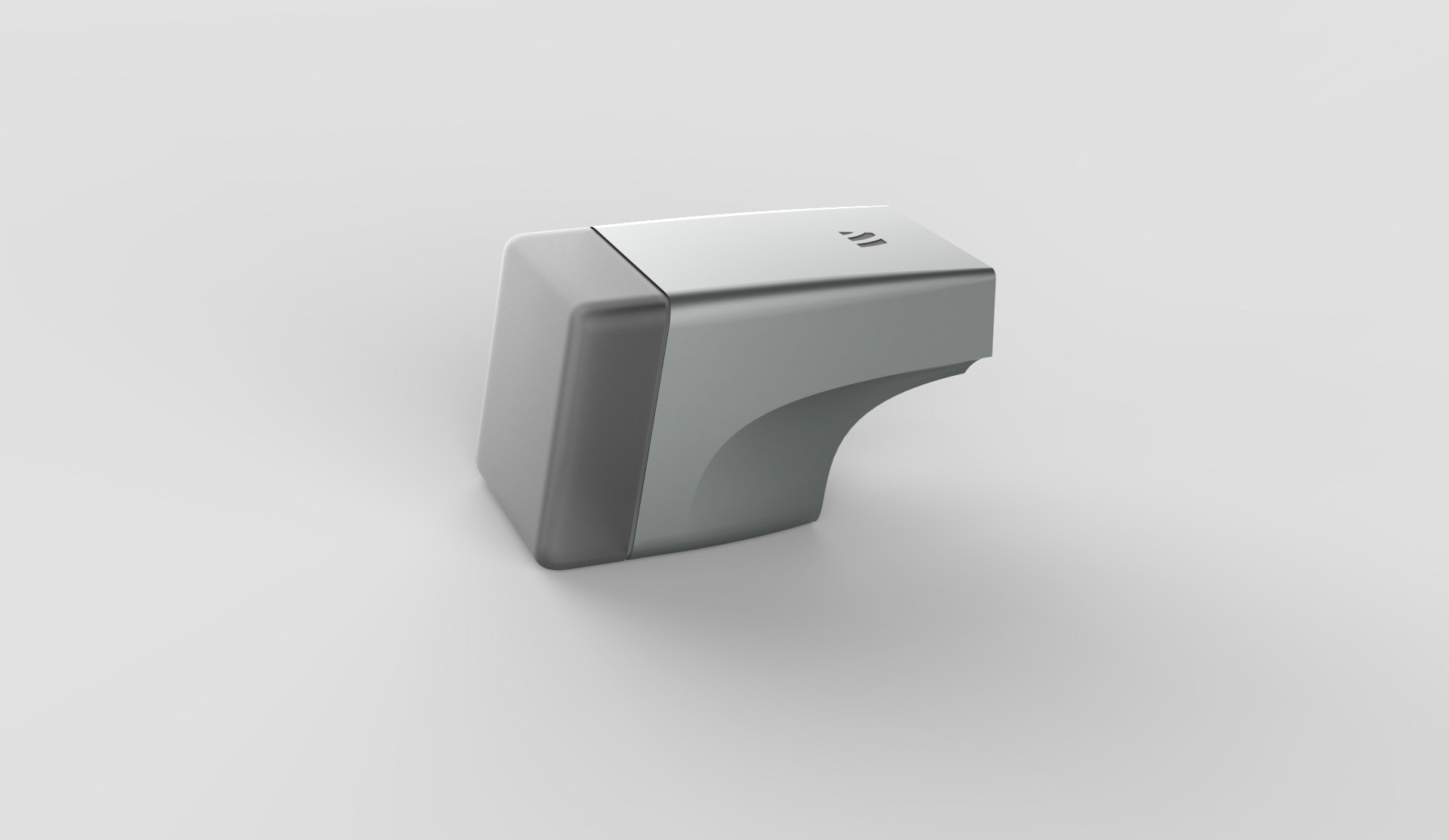
Powered by a millimeter-wave radar solution, this iteration achieved a significant reduction in size and power consumption. The compact form factor and improved energy efficiency opened new possibilities for broader application, transitioning the product from a lab concept to real-world potential.
Designing for Presence Without Intrusion
As the product strategy evolved from integrating health monitoring into familiar smart home devices to developing stand-alone sensors, the design challenge shifted dramatically. Unlike consumer electronics—which users are accustomed to and often perceive as benign—dedicated health sensors, even when not collecting any private data, can unintentionally trigger a sense of unease. The very presence of a device labeled as a “sensor” may raise concerns about surveillance or invasiveness.
This transition called for a new design language: one that makes the technology nearly invisible, emotionally unobtrusive, and quietly embedded into the living environment. Achieving this sense of seamlessness—both visually and psychologically—became the central focus of the next-generation design.